)
)
)

Collaboration is driving the next generation of firefighter PPE
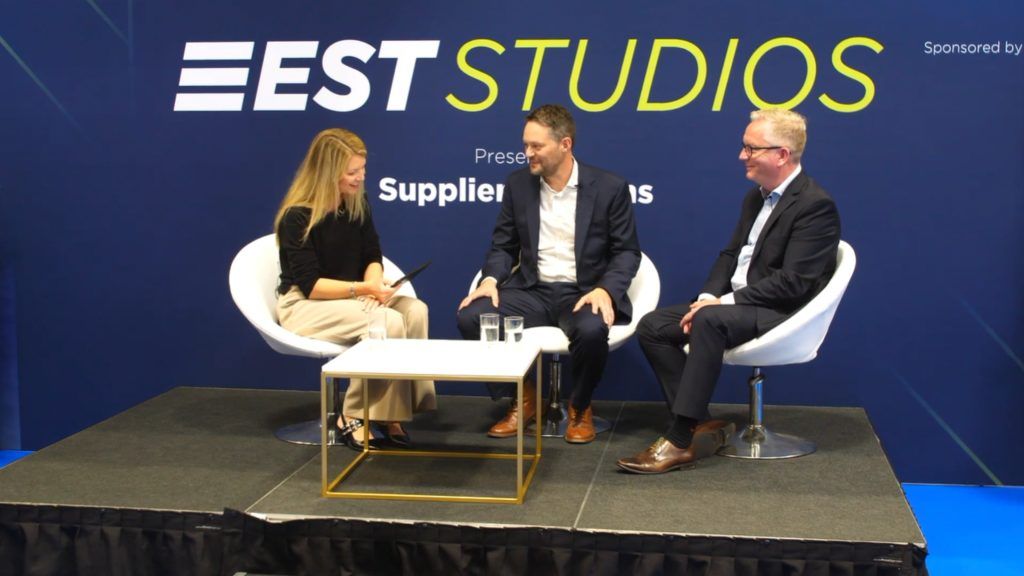
At The Emergency Services Show in September, Ballyclare’s Philip Tasker and Edward Shepherd discussed how working closely with fire and rescue services is helping to shape the next generation of firefighter PPE, ensuring it meets operational demands, supports health, and aligns with user needs.
Philip, Global Sales Leader for Fire and Security, said Ballyclare’s size and experience give it the agility to adapt quickly. As a family-owned SME based in Cheshire, the company supplies protective garments to more than 38,000 firefighters across the UK and Europe, including through major regional consortiums in Wales, the North West and Yorkshire.
For Philip, strong relationships with fire and rescue services are central to that success. Being an independent manufacturer means Ballyclare can move quickly and respond directly to customer needs. “We can pick up the phone, speak to each other and make decisions without getting tied up in red tape,” he said.
That flexibility, he added, allows the company to work closely with services to adapt garments and specifications, ensuring designs are practical, comfortable and based on feedback from those on the frontline.
Much of the discussion focused on Ballyclare’s Xenon range, which covers structural firefighting, technical rescue and wildland operations. While structural garments remain the foundation of most PPE sets, Philip noted a growing shift towards role-specific protection.
“Traditionally, a structural suit was used for everything,” he said. “But services are realising that it isn’t always fit for purpose for other types of incidents.”
One example shared during the session showed how a service review found that only 6% of incidents involved structural fires. It meant crews were spending most of their time wearing heavier, less breathable garments designed for rare, high-heat environments. That insight, Philip said, is prompting services to consider lighter, task-appropriate alternatives for technical rescue and wildland work.
Edward Shepherd, Ballyclare’s Fire Supply Chain Lead, spoke about how effective forecasting and data sharing underpin the company’s ability to deliver PPE on time and at scale. “It starts with accurate forecasting,” he said, explaining how data such as sizing profiles, recruitment trends and service demand feed directly into production planning.
With in-house manufacturing capacity, Ballyclare has reduced lead times and maintained supply even during global disruption. “Our team has worked extensively to make sure we continue to supply the kit we’re known for within an appropriate timeframe,” Edward said.
As PPE technology evolves, manufacturers are continually balancing protection, comfort and durability. Philip said protection is always the starting point, but the focus is increasingly on mitigating heat stress and improving breathability.
“Firefighters are better protected than ever before,” he said. “But that means they’re also getting a lot hotter inside the garment.” The goal now is to refine materials and design so protection remains high without compromising comfort or performance during longer incidents.
Aftercare is another priority. Edward said Ballyclare has invested heavily to ensure PPE remains effective throughout its operational life, working with a UK-wide network of service partners to maintain garments and guarantee a seven-day turnaround.
“As part of our environmental commitment, we want to make sure we’re reducing road miles wherever possible,” he said. Localised servicing, he added, improves efficiency while cutting carbon emissions.
Both Philip and Edward emphasised that partnership and long-term value matter more than short-term cost savings. With fire and rescue services under financial pressure, Philip said the focus should be on the whole-life cost of PPE rather than initial price.
“Best value is about the lifetime performance of a garment,” he said. “We have the expertise, the knowledge and the evidence to help services make informed choices.”
He added that Ballyclare’s personal, flexible approach and strong customer relationships remain central to its success. “The ‘get rich quick’ philosophy isn’t for this industry,” he said. “We’re in it for the long run.”
The session highlighted how close collaboration between manufacturers and fire and rescue services can drive meaningful innovation – ensuring PPE continues to evolve with the needs of those who rely on it most.