)
)
)

-
We open with a look at how the ambulance service is preparing itself to operate in a climate of extremes. How well do ambulances cope with extreme weather when it comes to fleet, equipment, staff and operational capability?
What can we do to ensure paramedics wellbeing is taken care of when the sun is beating down and shelter is at a premium? Be part of the discussion about what’s working, what needs more thought and how well the ambulance service of the future is resilient to climate threats. -

-
Take a wander through the history of crisis management, as we explore how the voluntary, community and faith sectors have influenced the work of emergency responder organisations

-
After the devastating terrorist attacks in the US on September 11 2001, the UK reviewed its response and invested in the New Dimension Programme. 25 years on, that kit is being replaced with modern approaches that reflect modern risks. National Resilience is leading the way and in this session, you’ll learn about how the fire and rescue service fleet is changing to support a national response.
-
Mental capacity is often tested in the most complex, high-pressure moments of frontline care, where legal, ethical, and operational decisions must be made quickly and confidently. This session explores mental capacity assessment in practice through a case-based approach, examining the real-world challenges faced by emergency service professionals.
Drawing on specialist expertise in mental health law, the session highlights how clinicians can navigate uncertainty, apply legislation effectively, and make defensible decisions in the field. It also considers the wider implications for practice, education, and co-production, linking these insights back to current research in out-of-hospital care.
Speakers -
-
It took decades to get Crossrail finished; renamed the Elizabeth Line, it’s now used by thousands of travellers every day from one side of London to the other, buried deep under the capital, its risks change along with the terrain. Learn from our experts how they have developed the training and exercising programme that reflects the modern rolling stock, the tracks and all the mysteries of a modern railway. It all takes place in Ilford, find out how in this great session.

-
A pilot exploring a whole of society response to extreme weather.
-
When disaster strikes, communities come together to respond and they also have a role in the prevention and mitigation space too. In this short ‘heads-up’ session, find out about the National Preparedness Commission report on Faith and Resilience and take the learning back your community.
-
An introduction to Resilience360 from our host.

-
-
Kicking off Resilience360, Roger Hargreaves from COBR will provide a unique insight into how the UK prepares for, responds to and recovers from major crises. Exploring the vital role of a whole-of-society approach, this keynote will examine how government, emergency services, businesses and communities must work together to build a more resilient nation.
A major keynote to open the conference, this is a must-attend session for anyone involved in preparing for the next major national or international crisis.
The COBR Directorate brings together the UK’s crisis management and resilience capabilities, strengthening the nation’s ability to anticipate, prepare for, respond to and recover from major crises. It leads on national crisis response, risk reduction and building a skilled, coordinated crisis management profession across government and beyond.

-
In this session, Joe Dent explores stroke recognition from the traditional FAST (Face, Arms, Speech, Time) assessment through to the subtle and posterior presentations it can miss. The session opens with FAST as a simple, rapid screening tool for identifying the more common presentations of stroke, to the critical importance of time in initiating urgent care and supporting early decision-making in out-of-hospital environments. It then builds on these principles to examine atypical stroke presentations, particularly posterior circulation strokes, where symptoms such as balance disturbance, visual changes and non-specific neurological deficits may go undetected by FAST alone.
Through a clinically focused, practical lens, the session highlights the need for better and more comprehensive education in stroke recognition, helping clinicians understand the limitations of traditional screening tools and recognise the wider range of possible presentations.
-
The journey to net zero is a tough one with emergency services taking different routes and having difference challenges. But, along the way there might be an alternative way to fuel existing fleet without swapping them out for new electric vehicles. Find out how two fire services are using biofuels – called HVO – to power their fleets. They’ll share their experience, the challenges and the benefits of adopting greener fuel.
-
In this panel discussion, we’ll explore the key challenges shaping emergency services procurement today and examine the impact these challenges have on operational end users. Drawing on real-world experience, our panelists will share practical approaches, lessons learned and strategies that strengthen collaboration between procurement functions and frontline teams, helping to deliver timely, safe and effective outcomes for the services that depend on them.

-
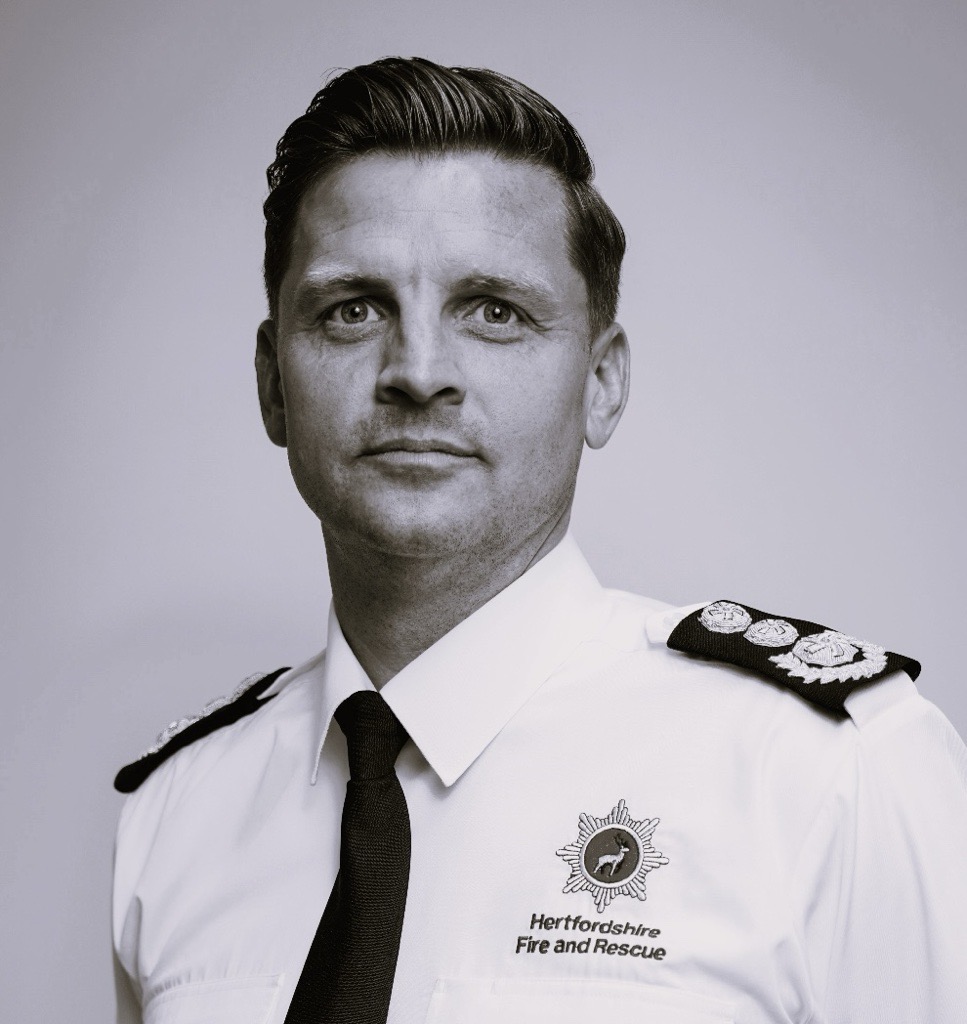
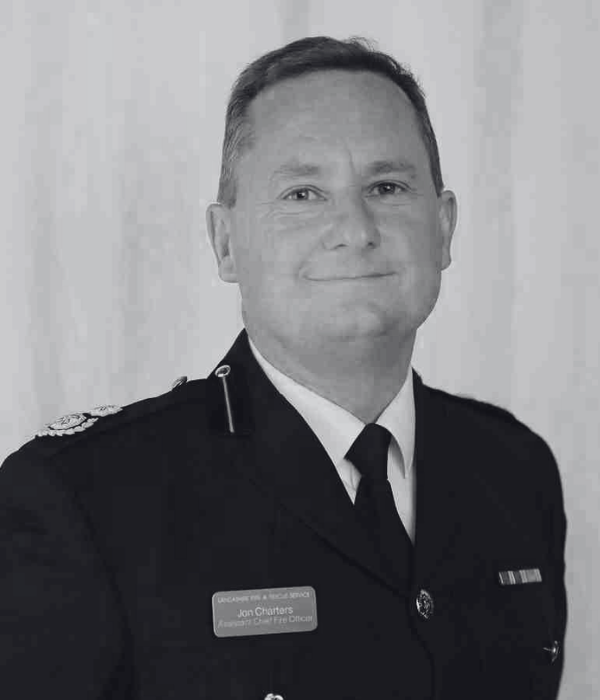
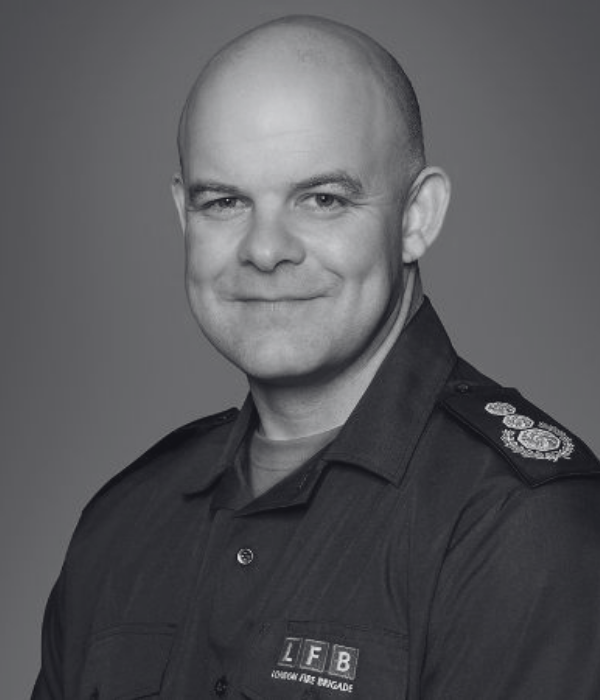
In the first of this two-part special session, former BBC Environment Editor, David Shukman leads the discussion how how well the emergency services are prepared to respond to climate threats. Starting with heat and wildfires, he draws on his latest book The Response, to frame a discussion with those leading the response to see what it’s really like to be at the frontline of climate change.
-
Wildfires, extreme weather, industrial incidents, cyber disruption and evolving security threats are placing unprecedented demands on emergency services and operators of critical infrastructure. As the risks change, so too must the way organisations prepare, respond and recover.
In this conversation, Dräger's Atlanta Taylor and Matt Evans explore what national resilience really means in practice from a strategic partner perspective, why prevention and preparedness is just as important as emergency response and how stronger partnerships between government, emergency services and industry can improve operational continuity when it matters most.


-
When should the voluntary and faith sector become part of the response?
-
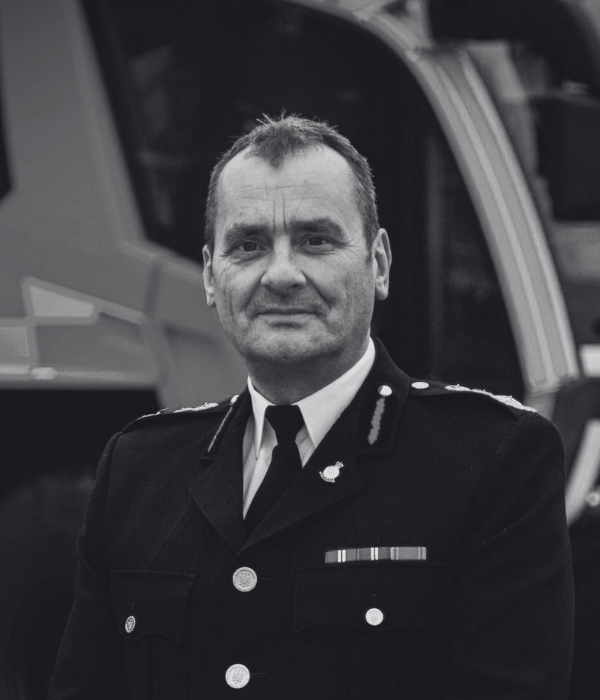
Fly from any airport in the UK and feel safe knowing that there is an airport fire service trained, equipped and ready to respond. But what happens when the risk changes? Join Simon and Graeme for an insider view on what’s changing on the ground and in the air that means the responders need to be looking at the future and preparing for it today.
-
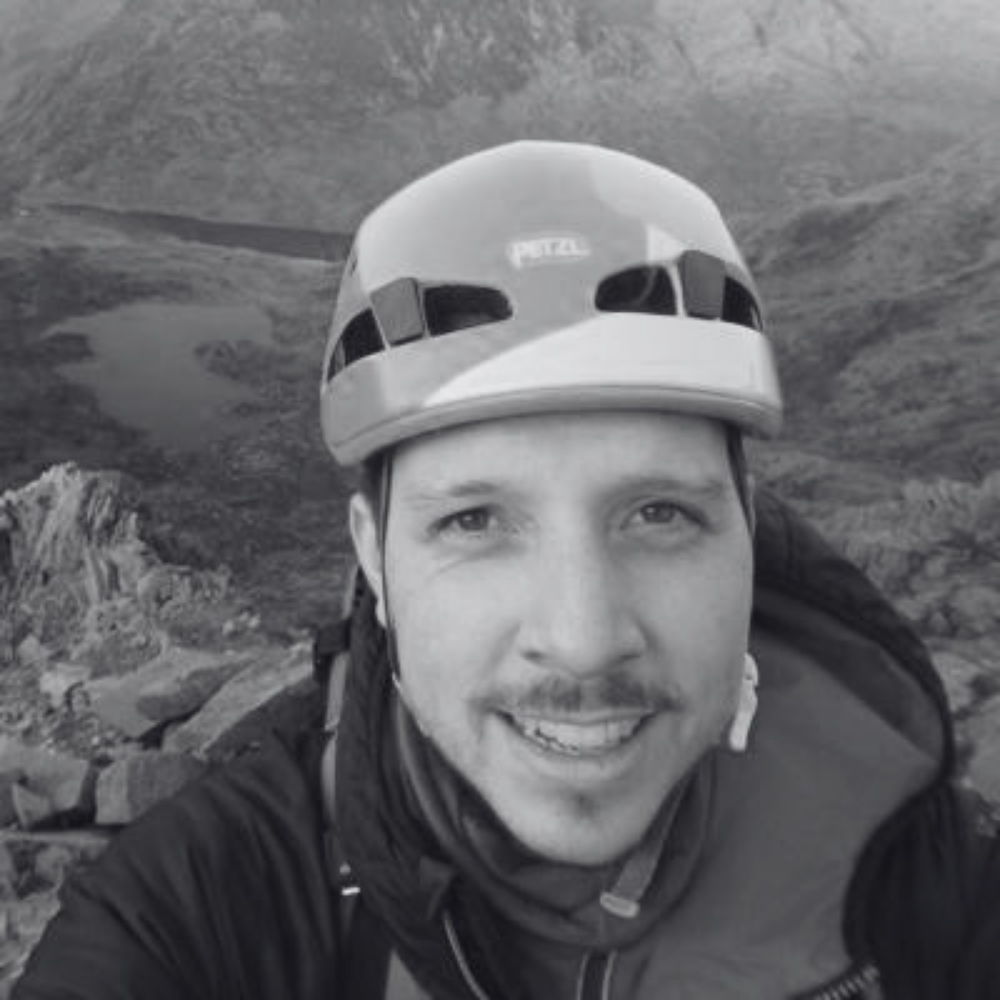
Understanding risk, planning for response, coordinating operations, and accelerating recovery through geospatial intelligence.
-
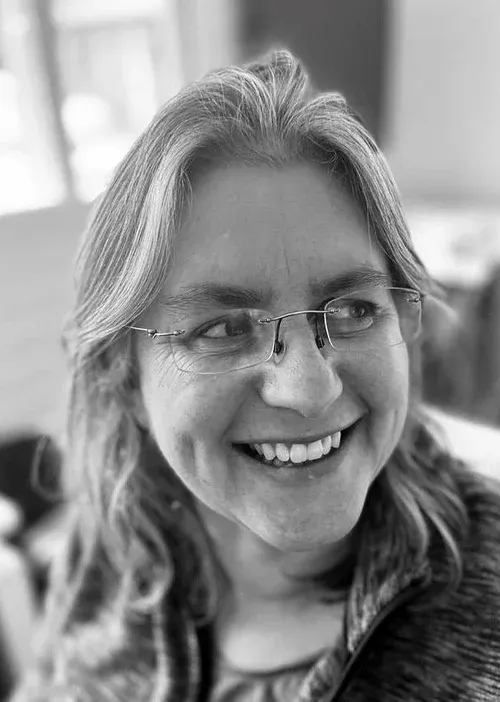
Integrating the voluntary sector into incident command from the outset.
-
The second part of our sessions where we frame this discussion around David Shukman’s book, The Response, sees the panel focused on flooding. David describes in breathtaking detail the impact of flooding on the residents of a north London suburb and the urban fire response, but what about those working in mountain and lowland rescue teams? What have we learned so far and how can we improve the response to what seems to be an increasing trend?
-
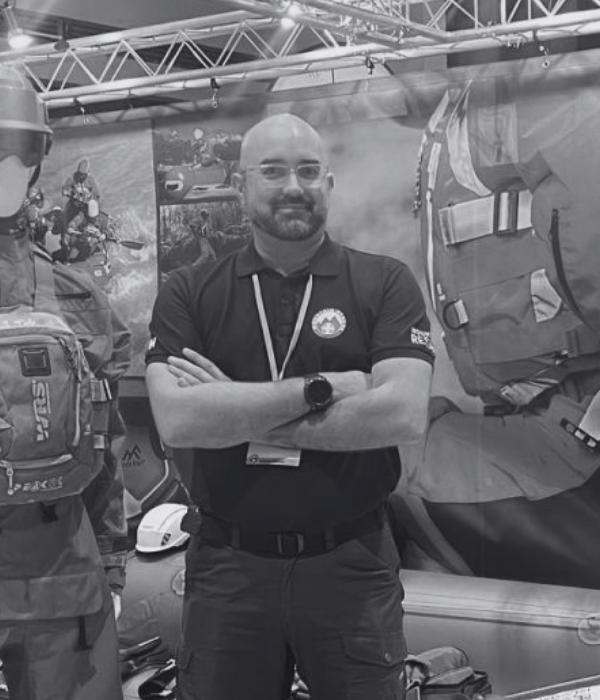
When you think about a multi-agency exercise you probably think it lasts a day, maybe two. But in the North East last year, Exercise Cerberus lasted over six months, involved organisations from across the region and tested how to respond to a marauding terrorist attack in a major sports venue. The MTA scenario is being tested across the country in different ways but for this session, our panel will share how they approached it and ended up winning an award too.
-
This session explores physiology-guided resuscitation and its growing role in improving outcomes from cardiac arrest. Physiology-guided approaches allow clinicians to tailor resuscitation in real time based on the patient's own physiological response, rather than relying on a fixed protocol alone. Underpinning this shift, however, remains the fundamental requirement for high-quality CPR: adapting care in response to physiology is only possible when that care, and its effect, can first be accurately measured.
This session examines how CPR feedback technology supports that measurement, enabling clinicians to monitor performance, make informed adjustments during resuscitation and move towards a more responsive, data-informed approach to cardiac arrest management. Through a practical, clinically grounded discussion, delegates will gain insight into how combining high-performance CPR with physiology-guided decision-making can enhance the quality and effectiveness of resuscitation in the out-of-hospital setting.
-
With thefts of valuable life-saving RTC equipment from emergency service vehicles on the rise, what can services do to protect their assets? In this masterclass from Weber Rescue UK, find out how the team is using innovative tech to track, trace and shut down equipment rendering it unusable. It’s your chance to get close to their rescue equipment and see how this company is keeping the fleet of the future safe from theft.
-
How do emergency services, the voluntary and faith sector, and private sector partners build trusted relationships before an incident to enable an effective whole community response?
-
In this session, Bio-Circle explores the latest approaches to decontaminating breathing apparatus, masks, boots and other firefighting equipment, drawing on experience with military and fire services across Denmark and Scandinavia.
Paul Owen and Palle Pedersen will look at what good decontamination practice looks like in the real world, the lessons learned from years of operational use and how new technologies and chemistries can help services improve cleanliness, protect firefighters and work more sustainably.

-
Across the emergency services, the ambition to decarbonise is clear, but the challenge is knowing where to start. Join UK Power Networks as they share the The Blue Light Tool, designed with emergency service organisations to plan their transition to low-carbon technologies with confidence. Concerned about capacity constraints or how to model future demand? Adam and Charlie will show how The Blue Light Tool helps you to understand options earlier and support smarter investment decisions across emergency service estates.
-
-
Police Scotland is transforming its critical communications infrastructure, moving away from legacy telephony towards a resilient, cloud-based approach.
In this session, Police Scotland and Cinos will explore what drove the transformation, how it was delivered at national scale and what the organisation’s experience can teach other emergency services looking to modernise critical communications.
-
Bringing together leading firefighter garment manufacturers and suppliers, the talk will explore the changing needs of firefighters in an ever-changing world. It will provide insight into the challenges these businesses are addressing today, how PPE is evolving to meet these demands, and the key areas of focus for the future to help ensure firefighters have the protection, performance and functionality they need.
-
The first masterclass of the day is your chance to focus in on what makes a good exercise and reflect on what your organisation does and get some ideas about doing things differently. Drop in and get some great tips to take back to your service.
-
Stepping onto the road as a newly qualified paramedic is one of the most exciting, and challenging, moments in a clinician’s career. This session, delivered by Paramedic Mentor Harry Vines, explores the transition from Newly Qualified Paramedic through to Band 6, focusing on the practical realities of developing confidence and clinical autonomy on the frontline. Through a supportive, experience-led approach, the session examines key challenges, expectations, and opportunities encountered during this progression, highlighting how clinicians can consolidate foundational skills, adapt to increasing responsibility, and grow into autonomous practitioners within the out-of-hospital environment.


-
AI is dominating conversations across policing, but many organisations risk overlooking the foundations needed to make it successful.
In this session, Carl Drinkwater, National RPA Programme Director and Jenny Rostron from Morson Group explore how intelligent automation is already transforming policing through the National RPA Programme, reducing administrative burden, improving consistency and creating more time for frontline policing.
-
AI is dominating conversations across policing, but many organisations risk overlooking the foundations needed to make it successful.
In this session, Carl Drinkwater, National RPA Programme Director and Jenny Rostron from Morson Group explore how intelligent automation is already transforming policing through the National RPA Programme, reducing administrative burden, improving consistency and creating more time for frontline policing.
-
We encourage attendees to come and sit and eat lunch with us, meet CoP colleagues, hear about the benefits of our RTB programme
-
Is your organisation looking at greening its fleet but uncertain where to start or has taken the first steps but finds it all daunting when I comes to the trickier vehicles? This then is the place for you to bring your sandwiches and hear from our experts who will be reporting back on findings from a series of webinars where they dug into the detail about the decarbonisation journey and have top tips and practical advice for you to take away.
-
Spiking – Employer Responsibilities and Actions highlights spiking as a widespread safeguarding issue that can occur anywhere - including workplaces, work events and private functions.
The presentation explores the impact and prevalence of spiking, recent changes in UK legislation, and the responsibilities employers have to protect employees, customers and clients. It also emphasises the importance of staff training.
The presentation concludes with practical steps organisations can take to create safer spaces, train their teams and strengthen their approach to preventing and responding to spiking.

-
This interactive session will challenge how confident you are in your organisation’s preparedness. It explores how the National Occupational Standards for Resilience and Emergencies support workforce development, and how a scenario-informed approach assesses preparedness in practice. It will explore how decision-making, coordination and workforce sustainability are tested under pressure - and what organisations can do to strengthen capability when it matters most.


-
A personal reflection of over 40 years of planning, response and community resilience.
-
As geopolitical tensions continue to reshape Europe's security landscape, the Nordic countries have emerged as global leaders in national preparedness and societal resilience. Faced with an increasingly assertive Russia and a rapidly evolving threat environment, the region has adopted a 'whole-of-society' approach to resilience, integrating government, critical infrastructure operators, businesses and citizens into national preparedness planning.

-
Looking after those who respond to traumatic incidents is critical for a well-functioning emergency service. National bodies have recently introduced new guidance and process, including mandatory reporting of police officer suicides and a new suicide prevention and postvention toolkit for fire and rescue services. It’s a sensitive topic but important, so join our expert panel who will share the work taking place at a national level and how your service can benefit.Speakers


-
You may have seen someone have their phone stolen outside a train station with the thief making off on a souped-up e-bike. Those bikes are often illegally converted to go at faster speeds making pursuit hard. Police forces are investing in SURRON electric bikes to help in the fight against crime and get ahead of the criminals. Join our experts to find out more about this capability and its growing use on our streets.
Speakers -
This session explores why physiologically guided resuscitation. now features in UK and International Resuscitation guidelines. What makes it different, what are it’s key targets and objectives and how can we reach them in trying to achieve ROSC.
The session will explore how to optimise CPR with manual and mechanical chest compression devices, the use of invasive blood pressure monitoring, drug strategies and synchronised ventilation to optimise the chances of achieving ROSC.
Finally, the session will present newly developed educational programs that optimise ALS (ARREST, ARREST plus) and those that take us truly ‘beyond ALS’ (SPEAR, ECPR)
-
Returning to The Emergency Services Show for a second time, Lucy Easthope shares poignant stories that provide a ‘roadmap for resilience in the face of adversity.’ Armed with two decades of experience and her latest book, Come What May, Lucy brings her insights to this valuable fireside chat where she shows she is the perfect person to provide life-changing lessons for coping with crisis.
-
Are we engaging the right partners early enough to build a whole community recovery?


-
From cyber attacks and online radicalisation to misinformation, digital activism and changing attitudes towards authority, technology is reshaping how societies respond to crises and disruption. As younger generations grow up entirely online, organisations, governments and emergency services face new challenges in maintaining trust, communicating effectively and building resilience.
-
Stay current with crucial updates in clinical practice, covering advancements in diagnosis, treatment modalities, and guideline revisions in just 30 minutes. This session will equip you with essential knowledge to enhance patient care and streamline decision-making processes.
-
Did you know there are more than 10 different ways you can volunteer with your local ambulance service? Volunteers have a key role to play in community resilience, supporting ambulance services during critical incidents and civil emergencies. In this session we’ll hear from the national ambulance member organisation, the Association of Ambulance Chief Executives, and ambulance volunteer service leads about some of the exciting new developments in ambulance volunteering. We will also hear from the volunteers themselves. Learn from them and be inspired to join your local ambulance service as a volunteer.
-
With new helicopters becoming operational next year, NPAS is using the latest technology to support policing from the skies. NPAS crews operate helicopters and aeroplanes, work alongside local force drone teams, and are exploring how uncrewed aircraft could form part of a future blended fleet to help fight crime.

-
Cardiac emergencies demand rapid, informed decision-making where seconds can make a difference. Yet important diagnostic findings may not always be visible on a standard 12 lead ECG, and pauses in chest compressions during resuscitation can negatively impact patient outcomes. The Clinical advances in Emergency Care presentation focuses on technologies designed to help clinicians address both challenges.
In this session, Stryker explores how 15 lead ECG acquisition can support more comprehensive cardiac assessment by incorporating right-sided and posterior leads, helping clinicians identify information that may not be apparent on a conventional 12 lead ECG. We will also examine STJ Insight, a graphical approach to visualising ST-segment changes designed to support interpretation of ECG findings.
The session will also explore the importance of maintaining high-quality CPR and minimising interruptions during resuscitation. Attendees will learn how cprINSIGHT™ technology analyses ECG rhythms during ongoing chest compressions, supporting rhythm assessment while reducing pauses that can affect coronary perfusion and chest compression fraction.
Join us to discuss how advances in ECG assessment and resuscitation technology are helping emergency care professionals make more informed clinical decisions, maintain CPR quality and support patient care when every second counts.
-
Firefighter PPE is evolving, but how can fire services balance protection, comfort and performance without compromise? As new materials and garment technologies enter the UK market through the NFCC framework, there is an opportunity to rethink what frontline crews should expect from their kit.
In this session, Sioen Fire and Europrotect explore the innovations shaping the next generation of structural firefighting PPE, drawing on experience from across Europe. Discover how advances in fabrics and garment design are helping improve protection, comfort and wearability and what these developments could mean for UK fire services.
-
Would you have made the right decision? Step into a remote consultation as it unfolds and experience every twist from the clinician's perspective. Discover how one overlooked question can completely change the outcome - and why the greatest challenge isn't making decisions without seeing the patient, but knowing what to ask next - presented by Class Professional.

-
In a world where no conversation is complete without at least one reference to AI, how do those who are responding to crisis know what is true and what is not? Generating nonsense, hallucinating and responding to questions may all be in a day’s work for some AI applications but are we all critical enough of what we read and what we see – is that video authentic? Are those voices the people we think they are? It’s a moment at the show to reflect with our experts from the Emergency Planning Society on how to communicate the truth when all is not what it seems.Chairperson
-
-
Former police officer Ryan MacDonald leads this multi-agency panel where we dig into the detail about how emergency services are supporting the mental health of their staff. What innovation are we seeing and what works well? Come and join the discussion and see if you can take back some great ideas to your workplace.

-
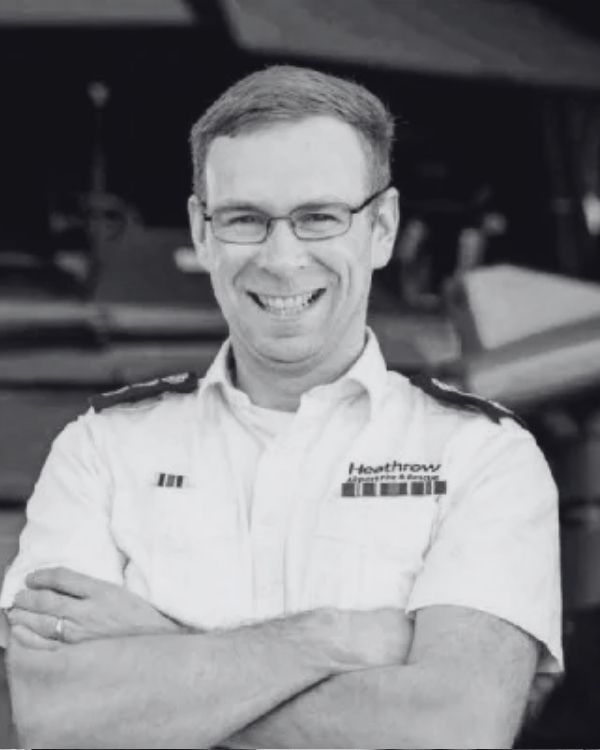
A single disruption at an airport can have consequences that extend far beyond its immediate surroundings. Dr Lee Rowley, who was the Station Manager at London's Heathrow Airport and recently took on a role as AFRS Training Manager at Birmingham Airport, will explore the interconnected nature of aviation operations, examining how disruption can impact aircraft, staff, passengers, baggage and cargo, and the wider global aviation network.
-
Speakers

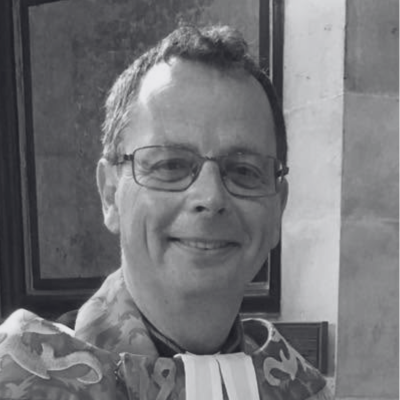
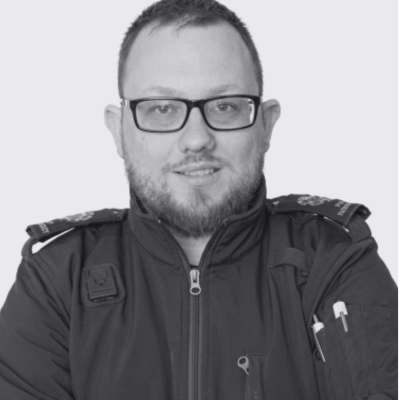
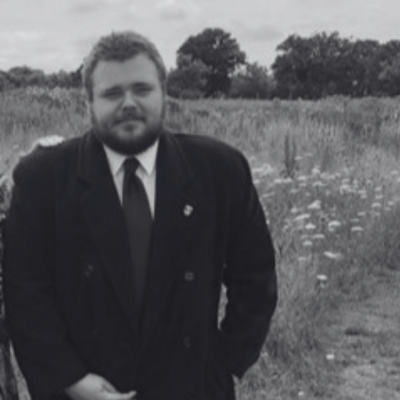
-
-
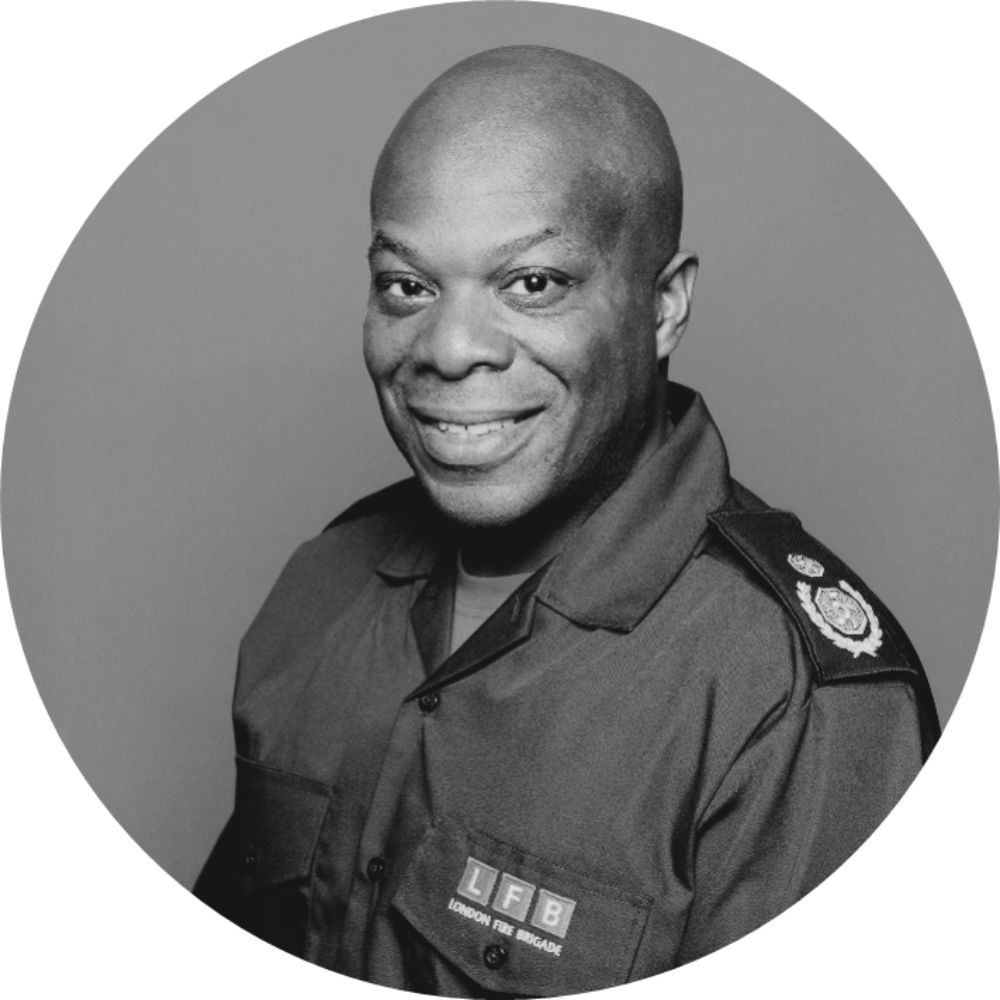
We wrap up the first day of the show by looking up and out beyond our borders. In this fascinating conversation brought to you by fire chiefs from Stockholm and London, they consider how the threat of war affects daily operations and why there is a continuum from emergency preparedness, civil defence to total defence.
-
The 68-strong UK International Search and Rescue (UK ISAR) team flew to Venezuela in June to carry out systematic searches of collapsed structure using canine search teams and specialist equipment to locate survivors. Join this session to find out what it’s like to be a volunteer to deploy to the other side of the world at a moment’s notice and work in incredibly challenging conditions.
-
As emergency services fleet evolves through electrification, new technologies and changing workforce demands, there is growing recognition that the sector needs a wider range of voices and experiences. This panel brings together women working across blue light fleet to discuss careers, leadership, inclusion and the barriers that still exist within a traditionally male-dominated environment. The session will also explore how organisations can create clearer pathways into fleet and encourage the next generation of women into the profession.


-
For emergency services, a dropped connection isn't an inconvenience. It's a control room losing sight of an incident, a signal that doesn't arrive when someone needs it to.
'Most of the time' is a standard built for systems that can afford to fail. Emergency response can't be one of them.
This session looks at what resilience actually requires: why a single-network connection is a single point of failure, why traditional failover often isn't enough, and how dual-core infrastructure with unsteered multi-network resilience keeps critical systems connected when one path drops.
CSL has spent over three decades keeping life-critical operations online. This session shares what that work has taught Blue Light services about building resilience into frontline connectivity, and what to ask of a network before the next incident does.
-
NHS England committed to the delivery of 80 electric ambulances by March this year. How did that go? We look at the challenges of introducing electric ambulances into fleets and what’s been learned so far to smooth out the green transition in the future.
-
Stay current with crucial updates in clinical practice, covering advancements in diagnosis, treatment modalities, and guideline revisions in just 30 minutes. This session will equip you with essential knowledge to enhance patient care and streamline decision-making processes.
-
Innovation in PPE comes from a true understanding the challenges faced by the teams that use it. We discuss the importance of end user consultation and engagement throughout the product development lifecycle to ensure product design continues to enhance comfort, fit and protection for firefighters. When firefighters aren’t fighting their own PPE, they’re able to focus on the job at hand; staying safe and protecting their communities.Chairperson
-
The Police Leadership Commission report was published in July, with the College of Policing calling it ‘the most ambitious overhaul of police leadership in a generation.’ What does it take to reform leadership in policing at all levels and how can it increase trust and confidence? Police Foundation Director Blair Gibbs hosts a panel of police leaders to uncover the answers.Chairperson



-
-
-
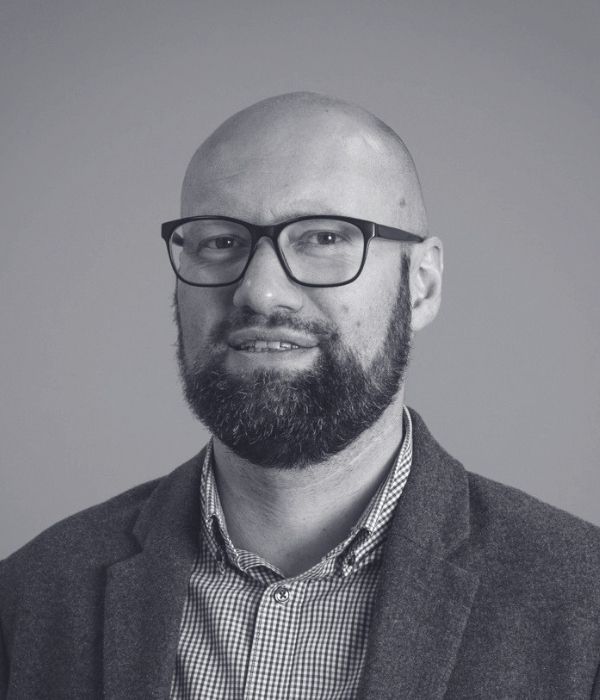
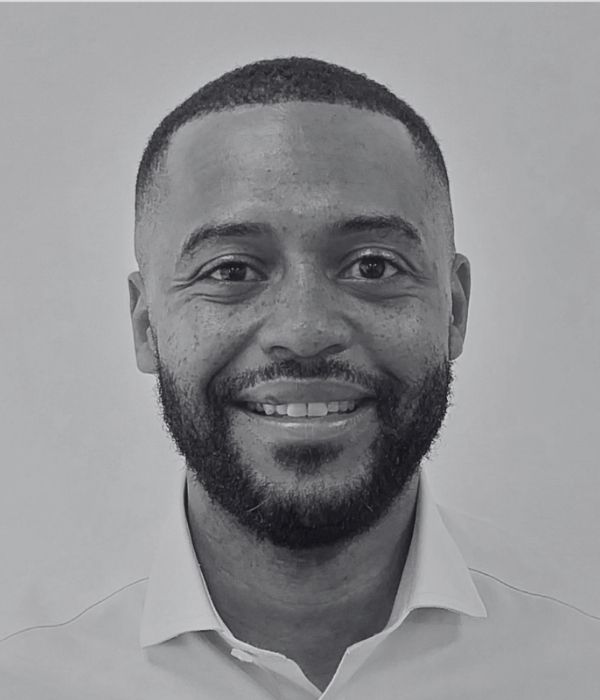
Microsoft 365 and Azure are central to modern public safety, but managing costs, licences and assets across complex technology estates can be challenging. Ben Simpson, Head of ITAM and FinOps at Phoenix, and Stephen Campbell, Senior ITAM Solutions Specialist at Phoenix, explore how better visibility and smarter governance can help organisations cut waste, reduce risk and make more informed technology decisions without compromising frontline services.
-
After years of campaigning, John Lord has increasingly influenced the way that firefighters think about the way they operate, how they view their health and, most importantly, how GPs view the risks they face and bring home to their families. He wants to move the conversation forward with this panel discussion on how to change behaviours and practice and what you can do to add your voice into one huge, unmissable bellow that can be heard by politicians, GPs and fire chiefs.Chairperson

-
In this session, Joe Dent explores stroke recognition from the traditional FAST (Face, Arms, Speech, Time) assessment through to the subtle and posterior presentations it can miss. The session opens with FAST as a simple, rapid screening tool for identifying the more common presentations of stroke, to the critical importance of time in initiating urgent care and supporting early decision-making in out-of-hospital environments. It then builds on these principles to examine atypical stroke presentations, particularly posterior circulation strokes, where symptoms such as balance disturbance, visual changes and non-specific neurological deficits may go undetected by FAST alone.
Through a clinically focused, practical lens, the session highlights the need for better and more comprehensive education in stroke recognition, helping clinicians understand the limitations of traditional screening tools and recognise the wider range of possible presentations.
-
The inside of an ambulance is complex and chock full of vital equipment needed to deal with the vast array of demand from the public who call on our paramedics in their hour of need. Converting an ambulance is an art but what happens when the supply chain jolts and the parts aren’t available or the convertor struggles to survive in a challenging economic climate? It’s a conversation that needs to be had, so join our panel to explore what ambulance services need to do be resilient in an unpredictable world.
-
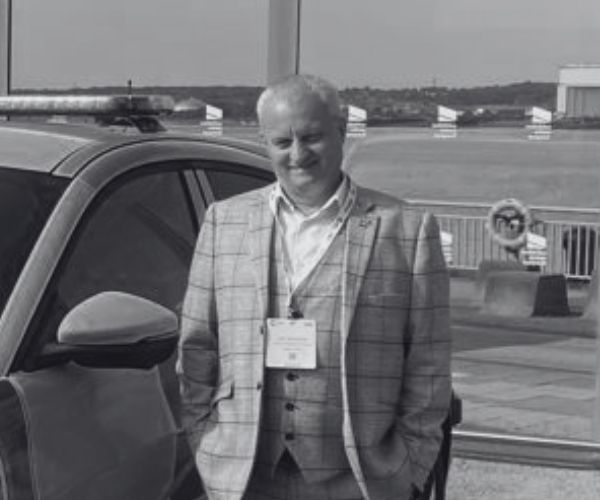
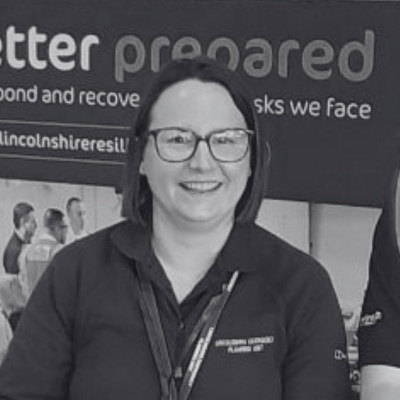
How do you turn local goodwill into an effective operational asset? Join the Lincolnshire Resilience Forum to explore how their Community Resilience Project equips, empowers, and upskills local people to prepare for, respond to, and recover faster from all-hazard emergencies. Talking about a case study example from this summer, this session highlights how building trust, utilising hyper-local knowledge, and integrating tools like drones and volunteers creates resilient, self-reliant communities when crisis strikes.


-
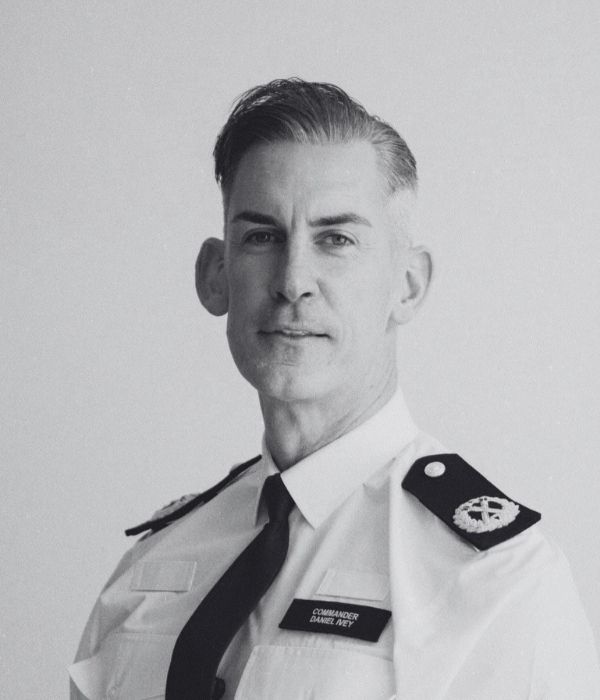
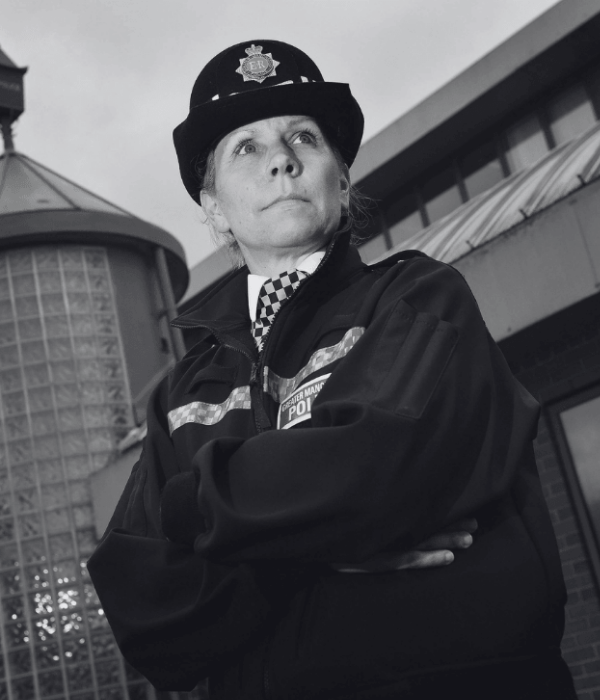
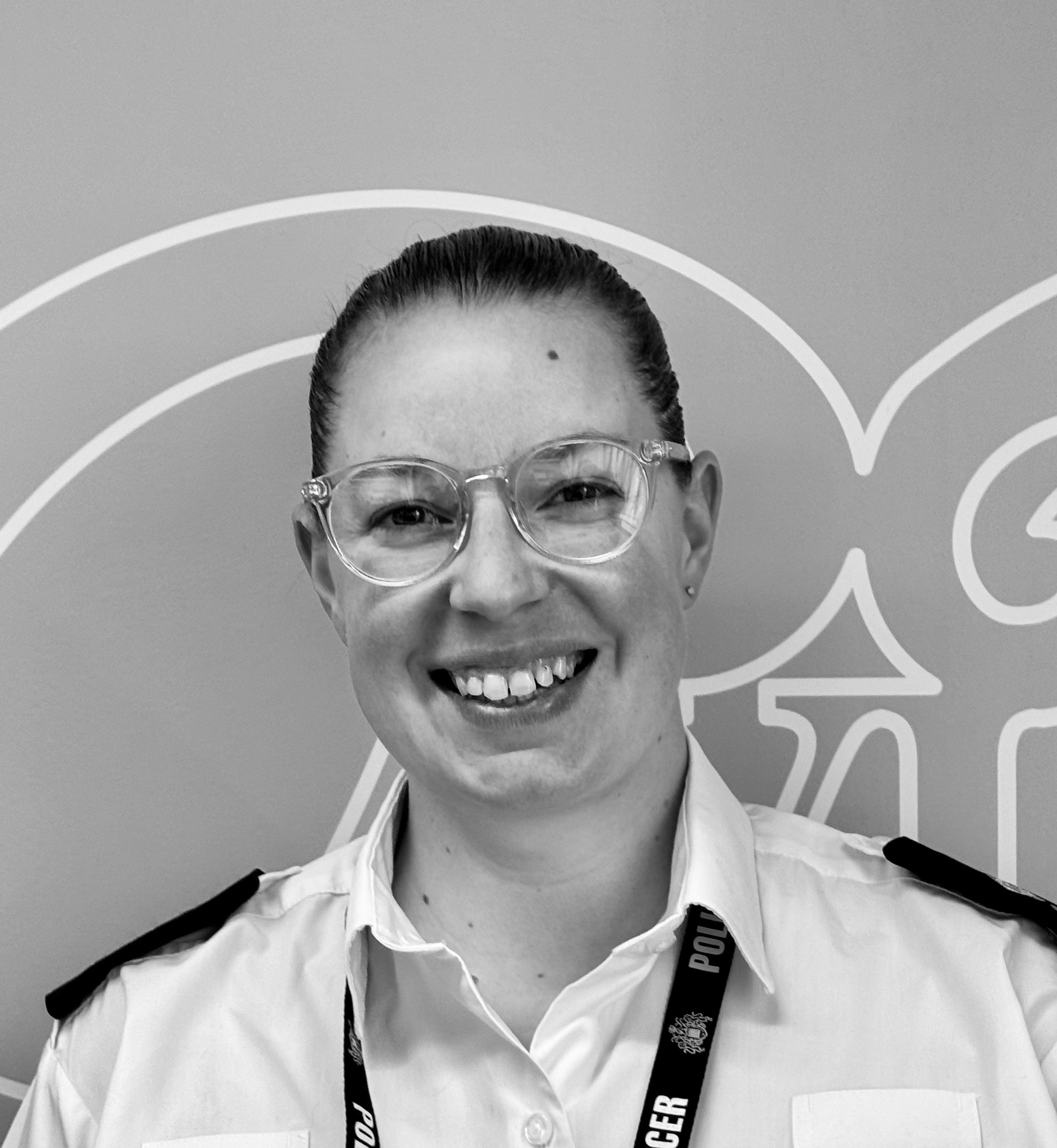
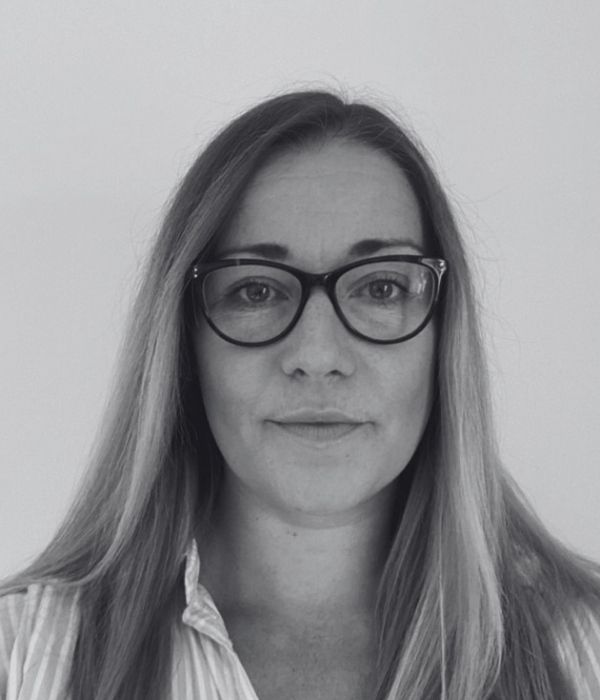
‘Cheap, uncomfortable and scruffy’ these are the words that delegates at a recent policing conference used to describe their own uniform. Last year we brought you the results of the Police Federation led uniform survey and now we bring you up to date with this NPCC led panel to share how they are taking a pragmatic, scientific approach to developing uniform and body armour that works for everyone. A single national policing catalogue could well be the answer – but do you agree? Join our panel to contribute to this discussion about uniform today and find out about the Future Uniform Project.
Chairperson

-
From geopolitical conflict and cyber attacks to extreme weather, pandemics and disruption to critical infrastructure, the range and complexity of threats facing the UK has never been greater. While organisations have strengthened their preparedness in many areas, recent events have exposed the interconnected nature of modern crises and the challenges of responding at scale.
Bringing together senior leaders and a range of perspectives, this panel will assess the UK's overall resilience and ask one fundamental question: are we truly prepared for the next major national crisis?
-
When you are at a large-scale incident, do you know where all your partners’ vehicles are? Find out how Haas Alert is using Safety Cloud to allow you to share locations of your fleet at the touch of a button. Build your business case for this simple solution that from an app on your phone allows you to expand your situational awareness fast.


-
This practical panel discussion will explore how emergency services organisations can better support colleagues living with endometriosis. Contributors from across the blue light sector will share lived experience, workplace approaches and practical steps that can improve awareness, flexibility and support in operational environments. The session will focus on simple, actionable changes employers can take to create a more informed and supportive workplace culture.


-
This session explores why physiologically guided resuscitation. now features in UK and International Resuscitation guidelines. What makes it different, what are it’s key targets and objectives and how can we reach them in trying to achieve ROSC.
The session will explore how to optimise CPR with manual and mechanical chest compression devices, the use of invasive blood pressure monitoring, drug strategies and synchronised ventilation to optimise the chances of achieving ROSC.
Finally, the session will present newly developed educational programs that optimise ALS (ARREST, ARREST plus) and those that take us truly ‘beyond ALS’ (SPEAR, ECPR)
-
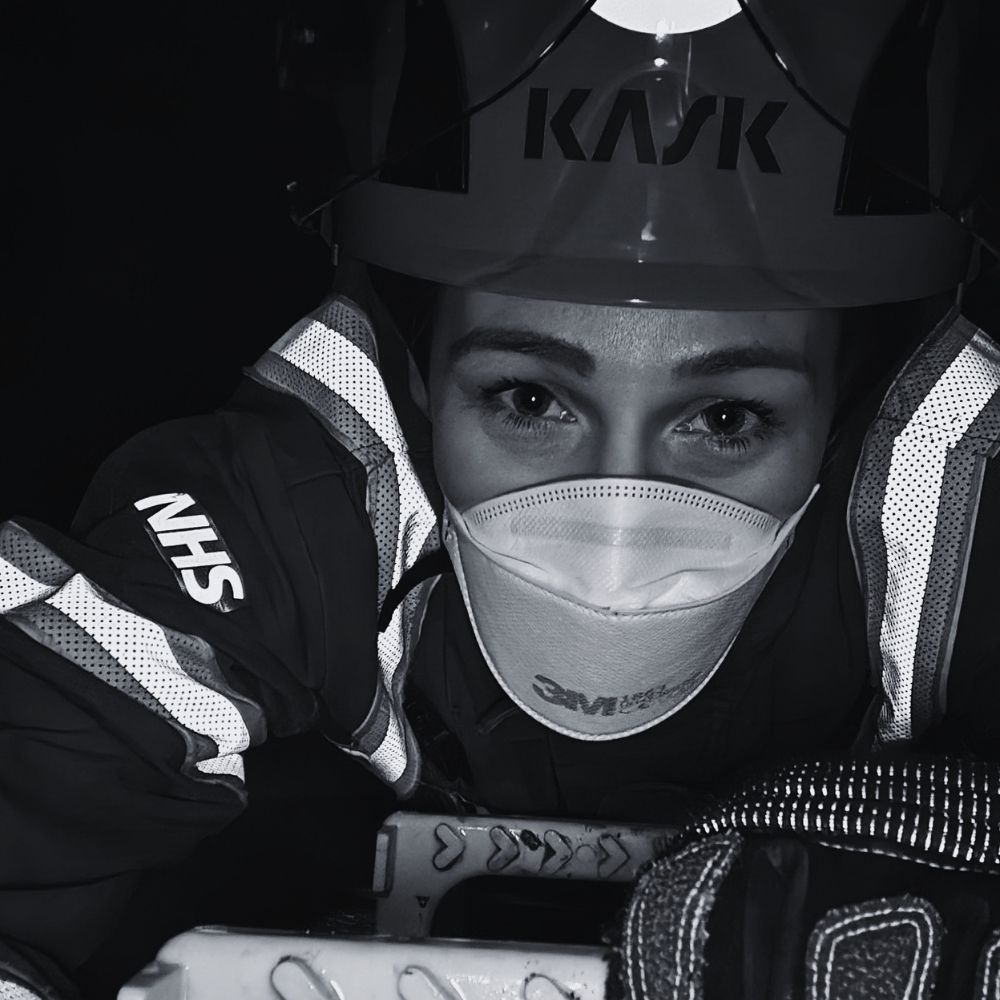
If we want women to feel included and respected in the workplace, we must ensure that the equipment we give them is fit for purpose. We shouldn’t expect women to have to think about how they will remove it to go to the toilet, when they need to be laser focused on the job and its hazards. Join our panel to hear their experience but more importantly their advice on what needs to be done to change the design of kit. For anyone involved in women’s PPE, this is for you.

-
After a 30-year career in the fire service, Graham Rooms was diagnosed with aggressive prostate cancer as he retired, after acting on advice from a prostate cancer awareness session. Now, he shares his experience to help other men understand their risk, recognise the signs and speak to their GP early. In a profession where managing risk is part of daily life, Graham’s story is a powerful reminder of the importance of taking a prevention-first approach to health.
Take time out of your busy show day to reflect and learn.
-
Mental capacity is often tested in the most complex, high-pressure moments of frontline care, where legal, ethical, and operational decisions must be made quickly and confidently. This session explores mental capacity assessment in practice through a case-based approach, examining the real-world challenges faced by emergency service professionals.
Drawing on specialist expertise in mental health law, the session highlights how clinicians can navigate uncertainty, apply legislation effectively, and make defensible decisions in the field. It also considers the wider implications for practice, education, and co-production, linking these insights back to current research in out-of-hospital care.
Speakers -
Ukraine has become one of the world's most important learning environments for emergency medicine, leadership and organisational resilience. As the nature of conflict, crisis and major incidents continues to evolve, so too must the way emergency services prepare, adapt and respond.
In this session, Professor Mark Hannaford, Founder & CEO of World Extreme Medicine and Co-Founder of the World Extreme Medicine Fund, joins Luca Alfatti, Co-Founder of the World Extreme Medicine Fund and Global Medical & Humanitarian Leader, to share lessons drawn from four years of delivering humanitarian aid, frontline medical capability and trauma training across Ukraine. Their work, alongside collaboration with NATO and international partners, has provided a unique perspective on how organisations perform and adapt under sustained operational pressure.
Richard Lewis, Chief Operating Officer of World Extreme Medicine, will then translate these frontline lessons into the UK emergency services context, exploring what they mean for organisational preparedness, leadership, interoperability and building capability before the next major incident.
Rather than simply presenting stories from the frontline, this session asks a more important question:
What is Ukraine teaching us about building organisations that can adapt, learn and perform under pressure?
Delegates will leave with practical insights, fresh perspectives and tangible actions to strengthen preparedness before the next major incident tests them.
-
Is your organisation looking at greening its fleet but uncertain where to start or has taken the first steps but finds it all daunting when I comes to the trickier vehicles? This then is the place for you to bring your sandwiches and hear from our experts who will be reporting back on findings from a series of webinars where they dug into the detail about the decarbonisation journey and have top tips and practical advice for you to take away.
-
We start the security sessions with a masterclass. Niki Boyce from Imperial College will introduce the concept of the zero bystander and show how through virtual reality training the general public can gain the skills to have the confidence to help someone injured at a scene before the first responders arrive. Martyn’s Law will help venues be ready in the event of an incident but what would you do if you were there first? Join Niki to find out more.
-
We encourage attendees to come and sit and eat lunch with us, meet CoP colleagues, hear about the benefits of our RTB programme
-
How can EMS organisations ensure their teams are prepared for high-risk, low-frequency airway events? This session explores practical approaches to developing, assessing and maintaining airway competence using simulation. Learn how Laerdal's advanced airway suction unit 'LAAS' and SimCapture can support learners, educators and teams in building confidence, consistency and readiness when it matters most.
-
-
This session explores physiology-guided resuscitation and its growing role in improving outcomes from cardiac arrest. Physiology-guided approaches allow clinicians to tailor resuscitation in real time based on the patient's own physiological response, rather than relying on a fixed protocol alone. Underpinning this shift, however, remains the fundamental requirement for high-quality CPR: adapting care in response to physiology is only possible when that care, and its effect, can first be accurately measured.
This session examines how CPR feedback technology supports that measurement, enabling clinicians to monitor performance, make informed adjustments during resuscitation and move towards a more responsive, data-informed approach to cardiac arrest management. Through a practical, clinically grounded discussion, delegates will gain insight into how combining high-performance CPR with physiology-guided decision-making can enhance the quality and effectiveness of resuscitation in the out-of-hospital setting.

-
With the long-awaited guidance for how to comply with Martyn’s Law published and the enforcement regime under the Security Industry Association out for consultation, this session is perfectly timed to consider what training and equipment venues should have in place should the worst happen. Our panel will talk about their preparations, the role of bleed kits, defibs and other healthcare equipment that are appropriate and proportionate to the risk. It’s a practical session and we are delighted that the Director of Security at the home of the show will share his experience with us too.
-
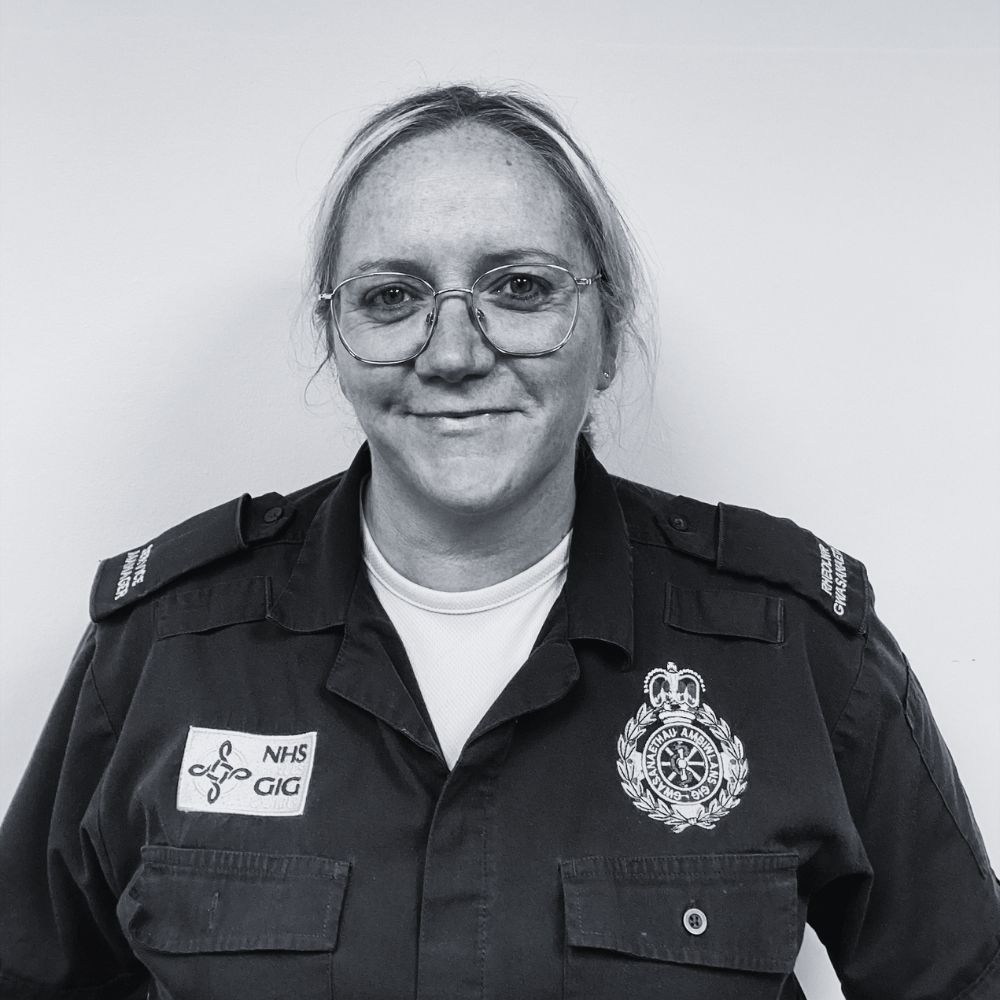
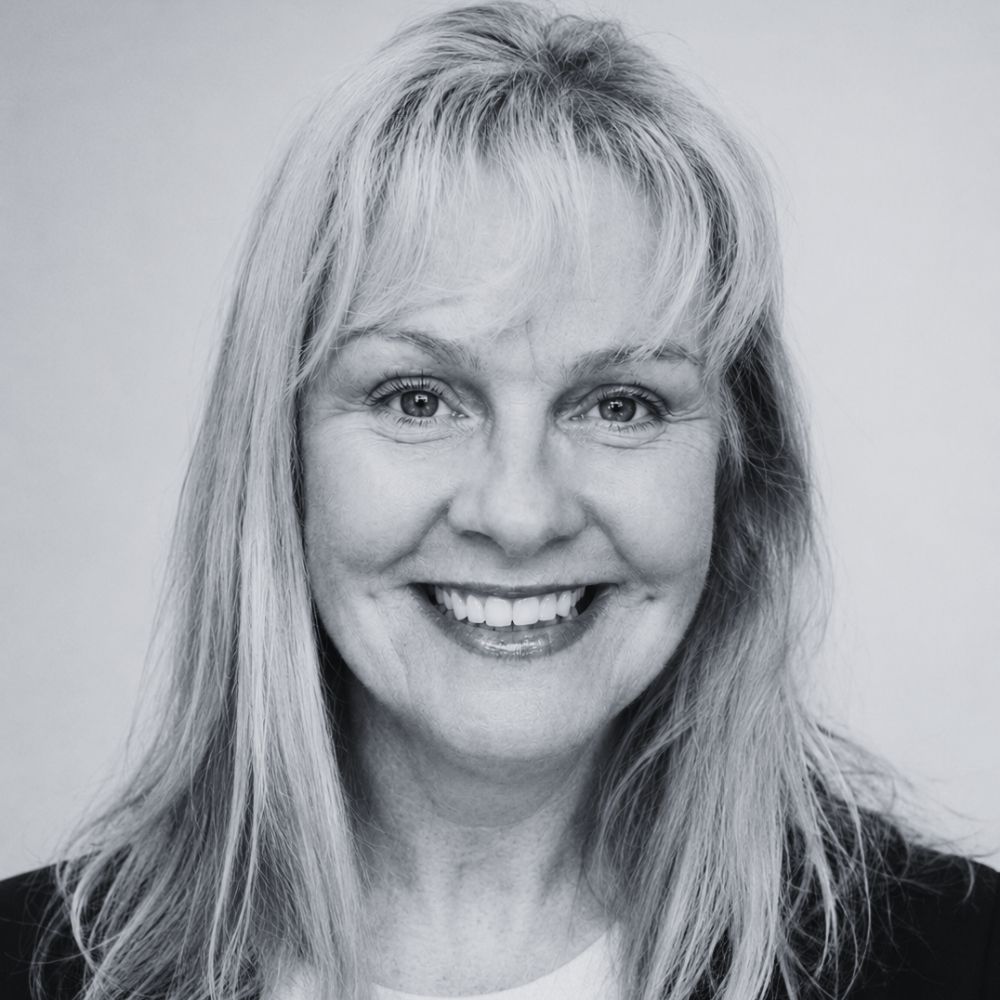
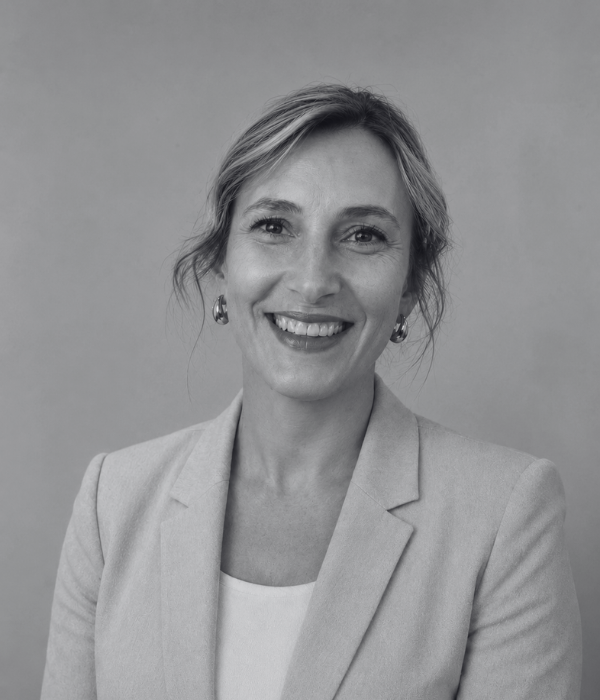
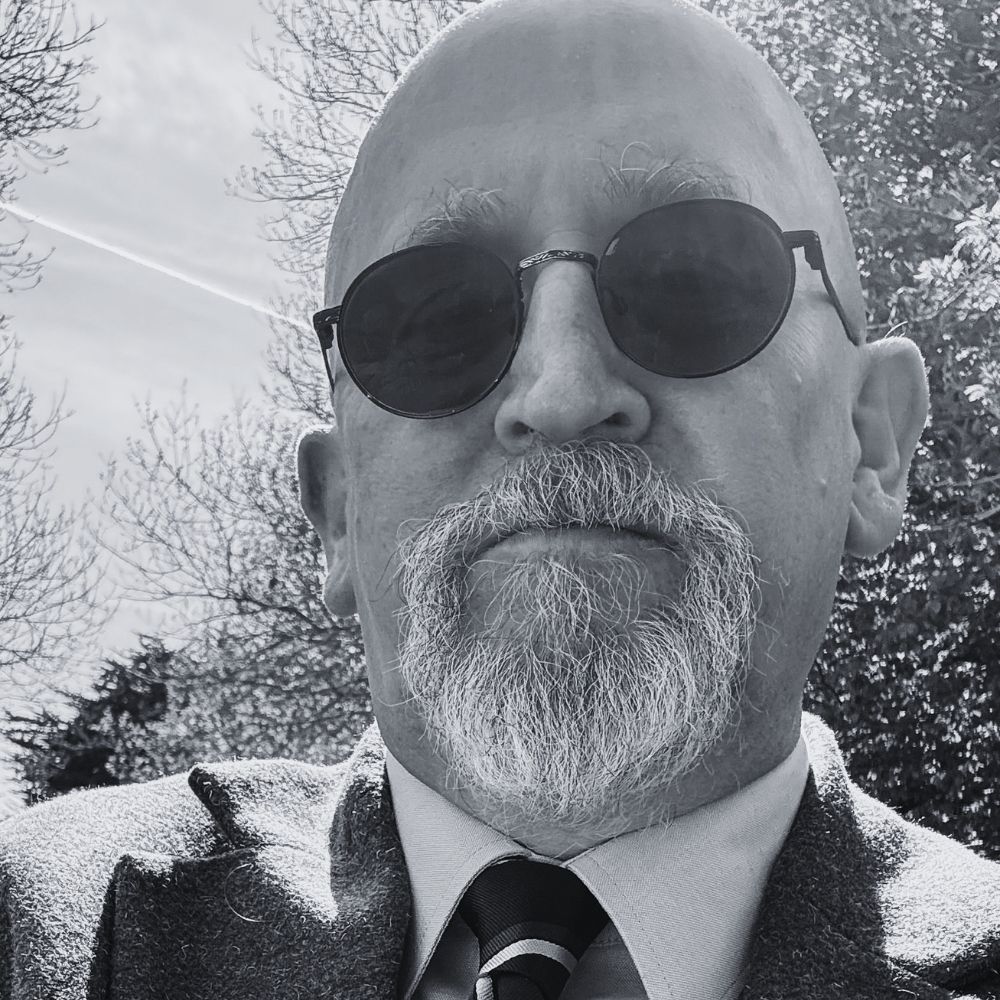
In Wales, the ambulance service is working on new ways to build more resilient teams and involve them in shaping their culture. The Cultural Early Warning Score – CEWS - is part of the trust’s Working Well Together approach and is helping to make culture tangible. It supports managers and teams to talk openly about how work feels, identify what needs attention, and agree actions together. Join our panel to find out how this work is progressing and how you can adapt and adopt it in your organisation.Speakers
-
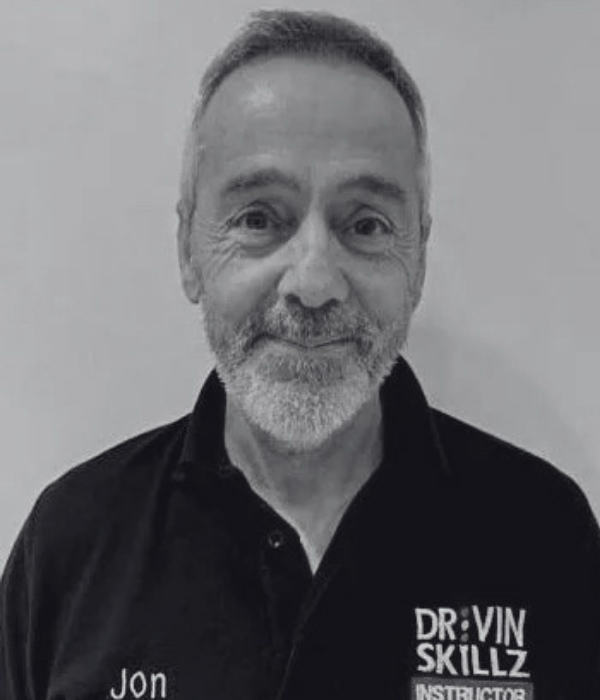
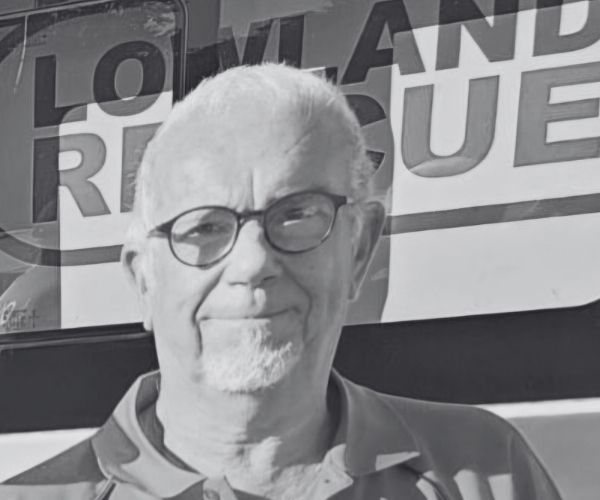
You may associate search and rescue teams, whether in the mountains or lowland settings, with a fleet of Land Rovers on off road tracks, but the picture is much more varied today. Find out how these volunteer run teams extend the life of the vehicles to suit the terrain and how they are innovating for the future where the climate is no longer predictable and they need to be prepared for the extremes.
-
-
Stepping onto the road as a newly qualified paramedic is one of the most exciting, and challenging, moments in a clinician’s career. This session, delivered by Paramedic Mentor Harry Vines, explores the transition from Newly Qualified Paramedic through to Band 6, focusing on the practical realities of developing confidence and clinical autonomy on the frontline. Through a supportive, experience-led approach, the session examines key challenges, expectations, and opportunities encountered during this progression, highlighting how clinicians can consolidate foundational skills, adapt to increasing responsibility, and grow into autonomous practitioners within the out-of-hospital environment.
-
Figen Murray OBE is a formidable campaigner who has changed the way we see security in buildings long before the frontline responders arrive. We are honoured that Figen can join us at the show. She will be talking to Catherine Levin in an unmissable fireside chat, reflecting on the nine years since her son Martyn was killed in the Manchester Arena bombing and why April 2027 is such an important date for her and public safety in this country.
-
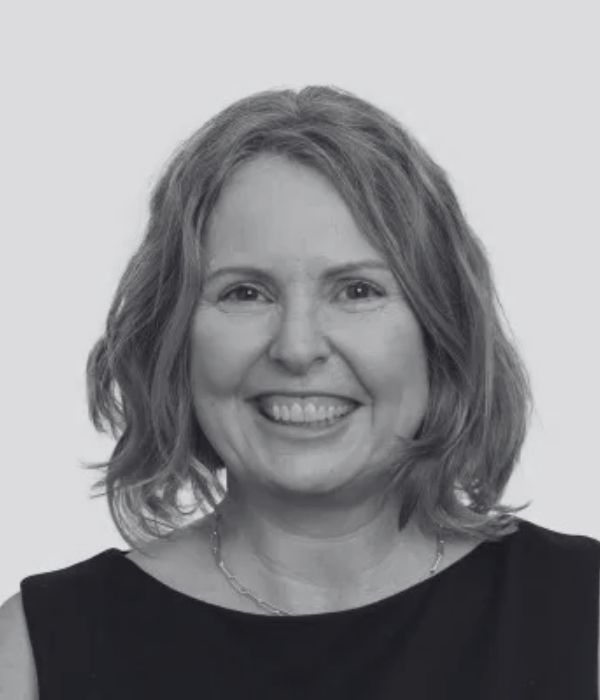
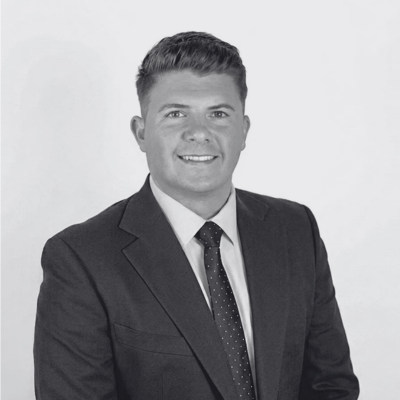
How can national resilience be understood without reducing it to a single, misleading score? This session will examine how evidence from households, communities, organisations, places and critical infrastructure can be connected through a common measurement architecture. It will show how systems thinking can reveal dependencies, identify where resilience capacity falls short of demand and provide a stronger basis for prioritising action and investment.
-
In a show first, we have women-only panels on each of our stages, looking at different issues that affect women in the emergency services. In this session we look at leadership: what can women in leadership positions today tell us about their journey, the barriers they have overcome and the richness of their experience that will be an inspiration to women who are earlier in their careers. Chaired by EST Deputy Editor, Lanna Deamer, this is certain to be a fascinating session.
-
-
You may think that the RNLI and Coastguard are all about the coastline, sea and boats, but far from it. Their fleets are diverse and they face the same challenges about moving to green fuels as the rest of the emergency services. How do you bring alternative power sources to remote places? What does a future fleet look like for them? Come and join the conversation as they do some horizon scanning on land at the NEC.
-
Would you have made the right decision? Step into a remote consultation as it unfolds and experience every twist from the clinician's perspective. Discover how one overlooked question can completely change the outcome - and why the greatest challenge isn't making decisions without seeing the patient, but knowing what to ask next - presented by Class Professional.